SW1X flat removals Belgravia narrow access tips
Moving a flat in SW1X can look straightforward on paper, then suddenly become a puzzle of slim stairwells, awkward parking, shared hallways, and a lift that is technically there but not really usable for a sofa. If you are looking for SW1X flat removals Belgravia narrow access tips, you are probably trying to avoid exactly that kind of moving-day scramble. Fair enough. In Belgravia, the difference between a calm move and a stressful one is often the planning done before the first box is lifted.
This guide walks through the practical side of narrow-access removals in SW1X: how the process works, what to check in advance, what equipment helps, where mistakes happen, and how to make the move feel manageable rather than chaotic. It is written for real flats, real staircases, and real London timing pressures. Let's face it, nobody wants to discover at 8:15 a.m. that the wardrobe does not fit the landing turn.
Contents
- Why SW1X flat removals Belgravia narrow access tips Matters
- How SW1X flat removals Belgravia narrow access tips Works
- Key Benefits and Practical Advantages
- Who This Is For and When It Makes Sense
- Step-by-Step Guidance
- Expert Tips for Better Results
- Common Mistakes to Avoid
- Tools, Resources and Recommendations
- Law, Compliance, Standards, or Best Practice
- Options, Methods, or Comparison Table
- Case Study or Real-World Example
- Practical Checklist
- Conclusion
- Frequently Asked Questions
Why SW1X flat removals Belgravia narrow access tips Matters
SW1X is one of those London postcodes where access can be the real challenge, not the distance. Many flats are in elegant period buildings with narrow staircases, tight communal corridors, basement entries, controlled parking, and doorways that were not designed with modern furniture in mind. So the move is not just about lifting and carrying; it is about solving a space problem without damaging the property, the furniture, or everyone's nerves.
That is why narrow access tips matter so much. A move that is poorly prepared can lead to delays, extra labour, missed parking windows, or avoidable damage to banisters and walls. In Belgravia, where shared entrances and neat communal areas are part of daily life, being careful is not just polite. It is practical.
There is also the time factor. City moves tend to run on tighter schedules, and if access is tricky, even a small delay can ripple through the whole day. A van waiting round the corner, an item that has to be rewrapped, a fridge that needs a second attempt through the hallway... it adds up quickly. Good planning turns that into a controlled job rather than a reactive one.
Flat removals are often the best starting point for understanding what a narrow-access move needs, because the methods used for flats are usually more adaptable than a standard house move. That matters in SW1X, where flexibility is often the difference between success and a headache.
How SW1X flat removals Belgravia narrow access tips Works
In simple terms, a narrow-access flat removal works by reducing uncertainty before move day. The removal team or mover needs a clear picture of what they will face: stairs, lifts, widths, parking, loading distance, and any awkward turning points. Once those are known, the plan can be matched to the building rather than forcing the move to fit a generic template.
The process usually starts with an access check. That may be done by photos, a site visit, or a detailed phone walkthrough. The goal is to identify the dimensions and obstacles that matter most: the narrowest hallway, the height of any railings, the angle of stair turns, and whether items need to be dismantled first. A quick conversation can save a lot of carrying later.
On the day, timing and sequencing matter. Smaller items may come out first to clear space. Larger pieces are often protected with blankets, shrink wrap, or edge guards. If the route is tight, crews may use more than one person to guide the item through carefully, rather than trying to muscle it through. Truth be told, brute force is rarely the smart answer in a Belgravia staircase.
When the job is planned properly, narrow access does not mean difficult access. It just means the method has to be sharper. That may include a smaller vehicle, a more compact loading plan, additional packing, or a slower, more controlled carry route. Sometimes the answer is simply patience. Boring, yes. Effective, absolutely.
Key Benefits and Practical Advantages
The biggest benefit of planning narrow-access removals properly is risk reduction. That includes less risk of scratches, fewer chances of lifting injuries, lower stress for everyone involved, and a smoother schedule overall. In a place like SW1X, those are not small gains.
- Better protection for furniture because items can be measured and wrapped for the route they will actually take.
- Less chance of building damage when corners, bannisters, and walls are protected in advance.
- Faster decision-making on move day because the plan is already agreed.
- More realistic vehicle choice if parking or loading space is limited.
- Lower stress for residents and neighbours thanks to shorter delays and less hallway congestion.
There is also a less obvious benefit: better packing discipline. When people know access is tight, they pack in a way that is easier to carry, stack, and manoeuvre. That alone can shave time off the day. A box that fits neatly in one hand is far more useful than a stylish overfilled one that tries to fall apart on the stairs. Been there, seen that.
If you are comparing services, it helps to look at more than just transport. A provider offering removal services with proper planning and handling will usually be more useful than a team that only turns up with a van and optimism.
Who This Is For and When It Makes Sense
This approach makes sense for almost anyone moving from a flat in SW1X, but it is especially relevant if your home has one or more of the following:
- narrow internal stairs
- a small lift or no lift at all
- tight basement or mews access
- restricted waiting or parking space outside
- large furniture that needs turning on landings
- shared entrances that need careful use
It also makes sense if you are moving on a deadline. End-of-tenancy timing can be unforgiving. So can completion day. If you only have a narrow window, the extra planning helps you avoid the dreaded phrase, "we just need another ten minutes," repeated six times. Not ideal.
People moving expensive or delicate items benefit too. Artwork, mirrors, pianos, marble tables, and antique furniture all need special handling. If that sounds familiar, then narrow-access planning is not optional; it is part of the job. For more specialised items, piano removals and careful wrapping methods can be relevant even if the rest of the move is fairly standard.
Students and short-let tenants may also need this approach, especially if they are moving in and out of upper floors with limited lift access. In those cases, a compact setup often works best, sometimes alongside man and van support for smaller loads.
Step-by-Step Guidance
If you want the move to feel organised, break it into stages. That sounds obvious, but a lot of people skip straight to packing boxes and hope the logistics sort themselves out. They rarely do.
- Measure the awkward bits first. Check the narrowest doorway, stair landing, lift entrance, and any corridor bends. Do not guess. A tape measure and five minutes can save a lot of drama.
- List the bulky items. Sofas, wardrobes, beds, bookcases, dining tables, and appliances need special attention. Note which ones can be dismantled.
- Photograph the access route. Photos of stairs, hallways, and parking space are incredibly useful. In practice, they tell the story faster than a long email.
- Decide what should be packed separately. Loose handles, lamps, mirrors, and small breakables are easier to manage when grouped logically. If you need help, packing and boxes support can make this stage much easier.
- Confirm parking and loading arrangements. Make sure the vehicle can get close enough to matter. Even a short carry distance can become long when stairs are involved.
- Prepare protective materials. Furniture blankets, floor runners, tape, stretch wrap, and corner protection are worth having ready before anything is moved.
- Set the move order. Decide which items leave first. Usually it helps to clear the small pieces before the larger pieces try to block the route.
- Leave space near the exit. A tidy landing and an uncluttered hallway make a surprisingly big difference. You will notice it the moment the first box comes down.
If the move is more compact and the access is tight but manageable, a removal van or small-vehicle setup may suit you better than a larger truck. That is not a downgrade. It is just the right tool for the job.
Expert Tips for Better Results
In our experience, narrow-access moves go better when people focus on precision rather than speed. It sounds a bit dull, but it works.
Tip 1: dismantle more than you think you need to. A wardrobe that looks movable often becomes impossible once it meets a tight corner. Taking off legs, shelves, doors, or bed frames early can be a real win.
Tip 2: protect the route, not just the items. Cover bannisters, tape down loose mats, and use floor protection if the route is shared or polished. In a Belgravia property, this is especially important because the communal areas are often well kept and need to stay that way.
Tip 3: keep a clear "pause zone." A small landing or hallway space where items can be safely staged makes the whole job calmer. No one likes a pile-up halfway down the stairs.
Tip 4: avoid overstuffed boxes. Heavy boxes are hard enough in an open driveway, let alone on a staircase. Keep books, crockery, and office files in smaller loads. Your back will thank you later.
Tip 5: work with the building's rhythm. If the lift is slow or the entrance is shared, time the move around peak use where possible. Small courtesies can prevent awkward moments with neighbours. London living, eh? A bit of diplomacy goes a long way.
If your move involves furniture that does not need to go with you, arranging furniture removals or collection in advance can reduce the pressure on move day and make the route much easier to work with.
Common Mistakes to Avoid
Most narrow-access problems are avoidable. The hard part is recognising them before they happen.
- Assuming the sofa will fit because it fit in the showroom or house before. Different building, different angles, different headache.
- Forgetting to measure the turn on the stairs. The straight run is rarely the problem; the bend usually is.
- Not checking the lift size properly. A lift door opening is not the same as usable cabin space.
- Packing fragile items too loosely. More movement means more risk when the carry is slow and stop-start.
- Leaving parking arrangements until the morning. By then, the good space may be gone.
- Trying to move everything in one go. Smaller, cleaner loads are often faster overall.
One mistake people make all the time is underestimating how tiring narrow access can be. Even a short stair carry becomes hard work if it has to be repeated twenty times. That is why pace matters. That, and tea breaks. Small mercy.
Another common issue is failing to tell the mover about unusual objects. If there is a piano, a very deep sofa, or a heavy cabinet with no obvious handles, say so early. If needed, using removal companies with relevant experience is usually worth it for peace of mind.
Tools, Resources and Recommendations
You do not need a van full of specialist equipment for every flat move, but the right basics make life easier. A good mover will usually bring protective materials and carrying aids, but it helps to understand what each one does.
| Tool or resource | What it helps with | Why it matters in narrow access |
|---|---|---|
| Furniture blankets | Protecting corners, finishes, and screens | Stops small bumps becoming visible damage |
| Stretch wrap | Keeping drawers, doors, and loose parts secure | Reduces snagging on railings and walls |
| Floor protection | Protecting hallways and stairs | Useful where floors are polished or communal |
| Furniture straps | Supporting awkward or heavy pieces | Improves control on turns and landings |
| Measuring tape | Checking widths, heights, and clearances | Prevents avoidable size surprises |
If you need help with a larger plan, a moving truck or removal truck hire may be more appropriate. But only if the access and loading space justify it. Bigger is not always better in SW1X; sometimes it just means more manoeuvring.
For move prep, packing and unpacking services can also take the pressure off if you are juggling work, family, or a same-day completion. It is one less thing to think about, which, honestly, can be priceless on a hectic London move day.
Law, Compliance, Standards, or Best Practice
Flat removals in Belgravia are not usually about complex legal disputes, but there are still sensible standards to follow. Most of them are rooted in safety, property care, and respect for shared spaces.
For movers and customers alike, best practice usually includes clear communication, safe lifting, appropriate vehicle access, and insurance that matches the type of work being carried out. That sounds ordinary, but it matters. If something is heavy, awkward, or valuable, it should be handled with enough care that everyone can sleep well afterwards.
Building rules can also affect the move. Some blocks may have restrictions on lift use, loading times, or where vehicles can wait. It is worth checking these early and passing the information on. If the property has a management office, concierge, or resident requirements, make sure the mover knows before arrival.
Health and safety best practice is simple: avoid unsafe lifting, keep routes clear, and use the right team size for the item. Where there is any doubt, split the load, slow the carry, or dismantle the item. There is no prize for forcing a piece of furniture through a gap it clearly dislikes.
For reassurance on wider standards, it is sensible to choose a provider that is transparent about its policies and handling approach, including insurance and safety and the company's own health and safety policy. If you care about disposal too, recycling and sustainability considerations can be part of the conversation as well.
Options, Methods, or Comparison Table
Not every SW1X flat move needs the same setup. Here is a simple comparison to help you think it through.
| Method | Best for | Strengths | Limitations |
|---|---|---|---|
| Small van and compact crew | Light-to-medium flat loads | Flexible, easier to park, good for tight streets | Less suited to large furniture or full-house volume |
| Standard flat removal team | Typical one- or two-bed flat moves | Balanced speed and handling support | May still need pre-planning for awkward pieces |
| Pack-and-move service | Busy households, fragile items, rushed timelines | Less stress, better protection, fewer packing mistakes | Usually more involved to arrange |
| Storage-first move | Delays, renovations, phased moving plans | Useful if timing is uncertain | Needs extra coordination and cost planning |
Sometimes the best option is a mixed approach. For example, a small van for the main load, storage for a few overflow items, and a second trip for smaller boxes. That is very normal in city moves. Not glamorous, but effective.
If you are still deciding, a quick look at home moves can help you compare what a fuller relocation service might look like versus a lighter, flat-specific setup.
Case Study or Real-World Example
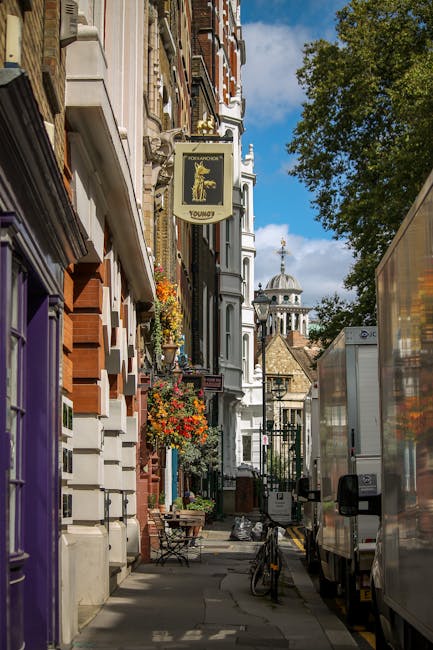
Picture a two-bedroom flat off a narrow Belgravia street on a cool morning in early autumn. The building has a shared entrance, a curved staircase, and a lift that is useful for boxes but not for the larger sofa. The residents are decent enough, but nobody wants the hall blocked for long. A very normal London scenario, really.
In this kind of move, the better plan is often to dismantle the bed frame the night before, remove table legs, and wrap the mirror separately. The larger wardrobe may need to be moved in two sections. Boxes are numbered so the essentials are loaded last and unloaded first. The van parks as close as the street allows, and the team works in shorter runs rather than trying to stack everything at once.
The result is usually calmer than expected. Yes, there may still be a tight turn or a moment where everybody pauses and looks at a piece of furniture sideways. That happens. But with the right prep, it becomes a controlled pause instead of a crisis. And the move is done without scuffs on the wall or a grumpy conversation with the building manager.
For a move like this, the smartest choice is rarely the cheapest-looking one on paper. It is the one that fits the building, the load, and the timing. If you need a lighter setup, man with van or man with a van options may suit smaller jobs, while a fuller flat removals service may be better for larger or trickier ones.
Practical Checklist
Use this checklist before move day. It is simple, but simple is good when you are already juggling keys, boxes, and parking permissions.
- Measure doorways, stairs, and lift openings
- Photograph the access route
- List all bulky or awkward furniture
- Dismantle items that are likely to catch
- Pack fragile items in smaller boxes
- Confirm parking and loading arrangements
- Protect floors, corners, and banisters
- Keep hallways and exits clear
- Label boxes by room and priority
- Share building rules with the mover
- Keep essentials separate for easy access
- Check that insurance and handling arrangements are clear
Expert summary: narrow access is easier to manage when you treat it as a planning task first and a carrying task second. Measure carefully, pack smartly, and choose the right vehicle and team size. That is the whole game.
For extra reassurance on service details, it can also help to review pricing and quotes before you book, especially if you want to compare timing, access complexity, and any added packing support.
Conclusion
SW1X flat removals in Belgravia are manageable when narrow access is treated as a design problem rather than a surprise. Once you know the route, the furniture, the parking, and the building rules, the whole move becomes much more predictable. That is the real goal: fewer unknowns, fewer delays, fewer chances for a good day to turn messy.
Keep the plan practical. Measure properly, pack with care, and choose a removal setup that matches the property rather than fighting against it. If you do that, even a tight staircase or a tricky corridor can be handled calmly. Not perfectly, maybe. But properly. And that is what counts.
Get a free quote today and see how much you can save.
When you are ready, a thoughtful move plan can make a Belgravia flat removal feel a lot lighter than it first appears. A bit of preparation goes a long way, and honestly, that peace of mind is worth its weight in packing tape.
Frequently Asked Questions
What are the most important SW1X flat removals Belgravia narrow access tips?
The most important tips are to measure the route, photograph tight points, dismantle bulky furniture early, and confirm parking. Those four things solve a lot of problems before move day even starts.
How do I know if my sofa will fit through a narrow staircase?
Measure the sofa at its widest point, then measure the stairwell width, the landing turn, and any doorway at the top or bottom. If you are not confident, assume the route is tighter than it looks. That is usually the safe call.
Should I book a small van or a larger removal truck for a flat in Belgravia?
It depends on access, volume, and parking. A smaller van is often easier in SW1X, especially where streets are tight or loading space is limited. A larger vehicle can be useful for heavier loads, but only if the access supports it.
Do I need to dismantle furniture before a narrow-access move?
Often, yes. Beds, wardrobes, table legs, and shelving units are usually easier to move when partly dismantled. It can save time and reduce the chance of damage on the stairs or in the hallway.
What should I tell the removal team before the move?
Tell them about stairs, lifts, narrow corridors, parking restrictions, large furniture, fragile items, and any building rules. The more accurate the information, the better the plan.
How can I protect the hallway and banisters in a flat move?
Use floor protection, furniture blankets, and corner guards where needed. If the building has polished surfaces or painted walls, extra protection is usually worth it. A small amount of preparation can prevent visible scuffs.
Is a packing service useful for narrow-access removals?
Yes, especially if you have fragile items or a tight deadline. Careful packing makes boxes easier to carry and stack, which matters a lot when stairs are involved.
Can narrow-access flat removals be done on the same day?
Sometimes they can, but it depends on the size of the load and how much prep is already done. If access is especially tricky, a same-day move may still work, but only with clear planning and realistic timing.
What is the biggest mistake people make with flat removals in SW1X?
The biggest mistake is underestimating access. People often focus on the contents of the flat and forget the staircase, lift, parking, and route outside. In practice, those details often decide how smooth the move feels.
How early should I arrange a removal quote for a Belgravia flat move?
As early as you can, especially if your flat has narrow access or special handling needs. Early planning gives you time to compare options, check the property details, and avoid last-minute stress.
What if I need storage between moving out and moving in?
Temporary storage can be a sensible bridge if your dates do not line up neatly. It is also useful if you want to move in stages rather than forcing everything through one difficult day.
Are there any safety standards I should ask about before booking?
Yes. Ask about handling methods, insurance, and the mover's safety approach. If a team is comfortable explaining how they protect items and buildings, that is usually a good sign.