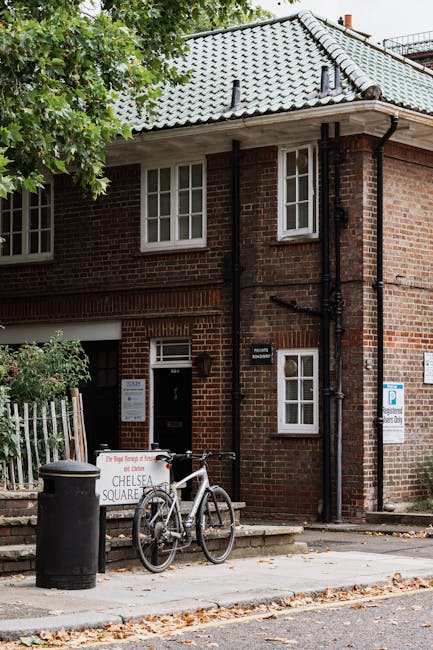
Chester Square house removals low damage guarantee: what it really means and how to get it right
If you are planning a move in Chester Square, you already know this is not the kind of job where you just sling a few boxes into a van and hope for the best. Elegant entrances, tight access, polished floors, stair runners, awkward parking, and furniture that has probably seen better days all make a careful move more than a nice-to-have. That is exactly why a Chester Square house removals low damage guarantee matters. It is not just marketing language. Done properly, it is a commitment to planning, protection, and accountability.
This guide explains what a low damage guarantee should cover, how professional movers make it work in real life, what to check before booking, and how to reduce the chance of scratches, chips, and those annoying little knocks that seem tiny until the bill lands. You will also find practical steps, a comparison table, a checklist, and answers to the questions people actually ask when moving in a high-value London area.
Why Chester Square house removals low damage guarantee Matters
Let's face it: in places like Chester Square, the risk profile of a house move is different. You are often dealing with period features, close-set staircases, valuable finishes, mirrored furniture, artwork, delicate lighting, and the sort of access that makes even experienced movers slow down and think. A low damage guarantee matters because it forces the removal plan to be built around protection rather than speed alone.
A proper guarantee also gives you a clearer picture of what the moving company is promising. Is it simply saying "we'll be careful," or is it showing you how they protect doors, bannisters, floors, and furniture? Those are very different things. In a premium residential move, the second one is what you want.
Another reason it matters is confidence. When you are already juggling completion dates, keys, cleaners, childcare, or a last-minute utility read, you do not want to spend the move day worrying about a scuffed wall. A credible low damage approach reduces that background stress. You can focus on the move itself instead of standing in the hallway, crossing your fingers and hoping the sofa clears the corner.
There is also a practical financial angle. Even minor damage can trigger disputes, delay unpacking, or lead to repair work that costs time and energy. A strong guarantee does not magically erase every risk, but it does create better discipline around planning, packing, and handling. That is the real value.
Expert summary: A low damage guarantee should be treated as a process promise, not a slogan. If it is genuine, you should see it reflected in survey quality, packing standards, protective materials, trained handling, and clear insurance information.
How Chester Square house removals low damage guarantee Works
A worthwhile low damage guarantee usually starts well before moving day. The company should assess the property layout, access points, furniture types, and any fragile or high-risk items. In a street like Chester Square, that may include narrow front approaches, shared entrances, basement levels, long carries, or controlled parking. The more detailed the survey, the better the protection plan.
From there, the move should be broken into stages:
1. Pre-move assessment
This is where the mover identifies what needs extra care. Think large wardrobes, antique tables, glass shelves, pianos, mirrors, marble tops, and anything awkward to turn around a stairwell. A good team will ask sensible questions rather than assuming everything can be wrapped in one generic method.
2. Protective packing and wrapping
Professional teams typically use padded covers, blankets, stretch wrap, and purpose-made materials for delicate items. Doors and floors may be protected too. In a property with painted skirting or polished timber, those details matter. One careless turn of a trolley can leave a mark that is hard to forget, and harder to repair.
3. Careful load sequencing
Loading the van is not just about fitting everything in. Heavy items must be placed correctly, fragile pieces should not be crushed, and furniture should be secured so it does not shift during transit. This is where experience really shows. You can usually tell within the first ten minutes whether a crew knows how to stack and strap properly, or whether they are making it up as they go.
4. Controlled delivery and placement
At the destination, the same care should continue. Items should be carried in the right order, not rushed, and placed where instructed. A team that treats unloading as the "easy bit" is missing the point. Some damage happens when crews are tired, eager to finish, and too willing to cut the final corner. Truth be told, that is often when issues appear.
5. Clear damage handling process
A low damage guarantee should include a straightforward way to report any concern. If something is marked or broken, you need to know how it will be logged and reviewed. If the company also explains how its insurance and safety approach supports that process, even better. Clarity matters more than big promises.
Key Benefits and Practical Advantages
The obvious benefit is reduced risk of damage. But the best low damage systems do more than protect furniture. They improve the whole moving day experience.
- Less stress: You can stop hovering over every doorway and start trusting the process.
- Better handling of valuable items: Fine furniture, mirrors, and fitted pieces get the attention they need.
- Cleaner finish: Proper protection means fewer chips, dents, and scuffs to deal with afterwards.
- More predictable timings: A careful move may take a little longer, but it usually runs more smoothly.
- Fewer disputes: Good preparation and documentation reduce awkward post-move arguments.
- Stronger suitability for high-end homes: Chester Square properties often need more than standard removal practice.
There is also a subtle but important benefit: the right mover tends to respect the property as well as the contents. That sounds simple, but in practice it means door frames get protected, floors are checked, and people do not tramp muddy boots through the house at 8:15 in the morning. Small things, yes. But they add up.
If you are comparing providers, look at the wider package too. A company offering professional packing and boxes or packing and unpacking services may be better set up to deliver a low-damage move because the process starts earlier, with better materials and more consistent handling.
Who This Is For and When It Makes Sense
This type of service is especially useful if you are moving from a property with high-value finishes, narrow access, or items that are genuinely hard to replace. That includes family homes, townhouses, and elegant flats where a standard budget move may be too rough around the edges. It is also a smart choice if you own items with emotional value. Not everything is about price. Sometimes it is the dining table your family has had for years, and you just do not want a dent in it. Understandable.
It makes sense for:
- Homeowners moving within or around Belgravia
- Tenants with premium fittings who want fewer disputes at checkout
- Families with mixed furniture sizes and a lot of fragile belongings
- People moving antiques, mirrors, artwork, or piano items
- Anyone who wants a calmer, more methodical move day
It may be less critical if you have only a few lightweight items and a simple access route. In that case, a smaller service such as man with a van or man and van might be enough. But even then, you still want a mover who knows how to protect corners and secure the load properly.
To be fair, most people only realise the value of low-damage moving after they have experienced a bad one. The scratched sideboard. The chipped wall. The quiet, annoying little repair that eats the rest of your weekend. Better to avoid that scene in the first place.
Step-by-Step Guidance
If you want a low damage house move in Chester Square, use a process, not hope. Here is a practical sequence that works well.
Step 1: Book an assessment early
Don't leave it until the last minute. An early assessment helps the mover understand the property and the contents. It is especially important if you have oversized furniture, tight staircases, or items that need dismantling. If you are still weighing options, compare the core service with the wider house removals offering and ask what protection measures are included.
Step 2: Flag the fragile and awkward items
Be specific. Say which pieces are fragile, bulky, sentimental, or difficult to lift. A vague "there are a few bits" is not enough. A mirror with a cracked frame needs different treatment from a standard coffee table. The crew cannot read minds, which is probably for the best.
Step 3: Confirm packing standards
Ask what materials will be used and whether large items will be wrapped individually. Check how they handle doors, floors, bannisters, and tight corners. If you need help with the packing side, a service like packing and unpacking services can reduce errors and speed up the process.
Step 4: Prepare the property
Clear pathways, remove loose rugs, and make sure the team can access the rooms easily. Move small valuables separately if you prefer to keep direct control of them. A few minutes of prep can save a surprising amount of hassle.
Step 5: Check the loading plan
Large, heavy, or awkward items should go in first if they form the structural base of the load. Fragile items need separation and restraint. If the movers are using a moving truck, ask how they secure furniture against movement during transport.
Step 6: Walk the destination with the crew
Point out access points, delicate surfaces, and where you want the boxes and furniture placed. A minute of direction now can prevent a very long conversation later.
Step 7: Inspect before the team leaves
Do a calm, sensible check. Not a drama. Just look at key items and obvious high-contact areas. If something needs noting, say so immediately. That way there is a clear record while everyone is still on site.
Expert Tips for Better Results
These are the bits that often make the difference between a move that feels controlled and one that feels like a controlled mess. Slightly different thing.
- Use proper labels: Mark fragile items, room destinations, and anything that should not be stacked.
- Photograph valuables beforehand: It is a simple way to record condition before the move starts.
- Keep essentials separate: Put documents, medications, chargers, and basic toiletries in one easy-access bag.
- Protect floors if needed: Ask whether floor runners or covers will be used in high-traffic areas.
- Allow enough time: Rushed moves create avoidable damage. A little breathing room helps.
- Choose quality over "quick and cheap": Low-cost options can be fine, but only if they still follow careful handling practice.
One small but useful tip: if you have any item that makes you think, "hmm, this is awkward," mention it twice. Once on the booking call and once on moving day. Repetition here is not annoying; it is useful.
If you need a broader move plan that includes temporary overflow storage, a secure storage option can ease pressure and reduce crowding inside the property, which in turn lowers the chance of collisions.
Common Mistakes to Avoid
Most moving damage is not random. It tends to come from predictable mistakes.
- Choosing on price alone: The cheapest quote is not always a bargain if the team is underprepared.
- Not declaring awkward items: Hidden complications are where problems start.
- Poor packing: Thin boxes, too much empty space, and loose wrapping all invite damage.
- Skipping insurance checks: A guarantee and insurance are related, but they are not the same thing.
- Leaving the survey too vague: A rushed quote often becomes a rushed move.
- Forgetting building access details: Parking restrictions, stair width, lift availability, and timing rules can all affect the job.
Another mistake is assuming every removal company means the same thing by "careful." They do not. One team may use detailed protective methods, while another may simply move slower and hope for the best. That is not a plan. That is optimism in a hi-vis vest.
Tools, Resources and Recommendations
You do not need a warehouse of equipment to reduce damage. A few sensible tools, used well, are enough for many moves.
| Tool or resource | Why it helps | Best use |
|---|---|---|
| Padded furniture covers | Protects corners and surfaces from knocks | Wardrobes, tables, cabinets, bed frames |
| Stretch wrap | Keeps drawers shut and secures loose parts | Small furniture, bundled items, drawers |
| Removal blankets | Reduces scuffs during lifting and transport | Large furniture, painted surfaces, mirrors |
| Floor protection | Helps prevent marks on timber or stone | Hallways, entrances, stairs |
| Labels and room tags | Improves placement accuracy | Boxes, fragile items, priority possessions |
Beyond the physical tools, the most valuable resource is often a company that communicates well. If a mover responds clearly to questions about timing, protection, and payment, that is a very good sign. You can check practical information such as pricing and quotes and payment and security before you commit.
For families or larger households, a full home moves service may be more appropriate than piecing together separate helpers. If you are moving a more compact property, flat removals can still be highly relevant, especially where lift access and communal areas need protection.
Law, Compliance, Standards, or Best Practice
While this topic is not mainly about legal regulation, good removals practice in the UK does sit within a wider framework of duty of care, safety, and fair trading. Customers should expect companies to communicate honestly about services, limitations, and exclusions. They should also expect vehicles, lifting methods, and handling processes to be managed safely.
In practical terms, the most useful compliance questions are simple ones:
- Is the company clear about what the guarantee covers?
- Are insurance arrangements explained in plain English?
- Do they have a sensible safety process for lifting and loading?
- Do they document concerns properly if damage occurs?
Best practice also means not overselling. A mover should not promise zero risk. No reputable company can honestly guarantee that nothing will ever happen, because moving is physical work and real homes have real-world complications. What they can do is reduce risk significantly and respond properly if something goes wrong. That is a fairer promise, and a more trustworthy one.
You may also want to review the company's health and safety policy, terms and conditions, and complaints procedure so you understand how issues are handled. A responsible mover should not mind those questions at all.
Options, Methods, or Comparison Table
Not every move needs the same setup. The right choice depends on property size, item value, and how much protection you want built into the process.
| Option | Best for | Damage control level | Notes |
|---|---|---|---|
| Full house removals | Whole-home moves with large furniture | High | Best when you want a careful, coordinated move |
| Man and van | Smaller moves or fewer items | Moderate | Good for simpler jobs, but protection standards still matter |
| Packing plus removals | Busy households or fragile contents | Very high | Useful when you want fewer packing errors |
| Storage-first move | Staged relocations or timing gaps | High | Reduces clutter and pressure on moving day |
| Specialist item move | Pianos, antiques, large artwork | Very high | Requires the right equipment and handling experience |
If your move includes especially delicate pieces, look at specialist support such as piano removals or furniture removals. Those services often suit a low-damage approach better than a general lift-and-go move. And if you are dealing with unwanted items before or after the move, furniture pick up can help clear space without creating extra chaos.
Case Study or Real-World Example
Picture a typical Chester Square move on a damp London morning. The front step is narrow, the hallway is long, and the living room contains a large sideboard, a glass coffee table, and several framed pieces that definitely do not want a rough ride. The owners want the property left clean, the walls untouched, and the furniture moved in one piece. Fair enough.
In a well-run low damage move, the team arrives with the right wrapping materials, checks the route through the property, and protects the high-contact areas first. The coffee table is wrapped before it leaves the room. The sideboard is moved with two people, not one person dragging and one person "helping" from a distance. The stair corners are guarded. The truck is loaded in a way that prevents shifting. Nothing flashy. Just disciplined work.
The interesting part is that the success often looks uneventful from the outside. There is no chaos, no frantic shouting, no panic when a table leg catches the doorway. The day feels almost calm. That is what good low-damage removals look like. A bit boring, frankly. Which is exactly what you want.
By the end, the owners have their furniture in place, the hallway is clean, and there is no surprise scratch on the wall to ruin the afternoon. That is the sort of outcome a serious Chester Square moving plan should aim for.
Practical Checklist
Use this checklist before move day. It keeps the process grounded.
- Confirm the moving date, arrival time, and access arrangements
- Tell the company about fragile, heavy, or awkward items
- Ask how floors, doors, and bannisters will be protected
- Check whether packing materials are included or separate
- Review insurance and safety information
- Prepare a clear route through the home
- Set aside essentials you do not want loaded on the truck
- Label boxes by room and fragility
- Take quick photos of valuable items before moving starts
- Inspect key items and areas before the team leaves
If you are moving on a tight schedule, a service like same day removals may be useful, but only if the route, packing, and access have been thought through properly. Speed is helpful. Care still wins.
Conclusion
A Chester Square house move should feel carefully managed, not hurried and hopeful. A real low damage guarantee is about more than reassurance at the point of sale. It is about planning, protection, communication, and the quiet discipline that keeps furniture safe and walls unmarked. If a company can explain its process clearly, show sensible safety standards, and answer awkward questions without dodging them, you are probably in good hands.
For a premium London move, that kind of steadiness is worth a lot. It saves time, reduces stress, and gives you a far better chance of getting from one home to the next without the usual headaches. And honestly, that is the move most people want. Calm, clean, and no nasty surprises.
Get a free quote today and see how much you can save.
If you want to understand the team behind the service before you book, you can also read more about the company and how it works with local moves. Sometimes that little bit of background makes the decision much easier.
Frequently Asked Questions
What does a low damage guarantee actually cover?
It should cover the mover's commitment to careful handling, protective wrapping, safe loading, and sensible placement at the destination. It may also explain how damage claims are handled. Always read the details, because not every guarantee means the same thing.
Is a low damage guarantee the same as insurance?
No. A guarantee is a service promise, while insurance is the financial protection framework behind the move. Good companies should explain both clearly. If one is vague about either, that is a warning sign.
Why is Chester Square especially suited to careful removals?
Because properties there often involve refined finishes, tight access, valuable furniture, and high expectations around presentation. A careless move stands out fast. A careful one feels almost invisible, which is exactly the point.
How can I reduce the risk of scratches during the move?
Use proper packing, clear pathways, and detailed labels. Tell the movers about fragile and awkward items early. The less guesswork there is, the less chance of damage. Simple, really.
Should I choose a full removals service or a man and van option?
If you have a whole home, large furniture, or delicate items, a full removals service is often the better fit. For smaller, simpler moves, a man and van option may be enough. Just make sure the protection standards still match your needs.
Do I need packing services for a low damage move?
Not always, but they can help a lot. Professional packing reduces breakage, improves stacking, and saves time. If you have glass, artwork, or complicated furniture, it is often worth it.
What should I ask before booking?
Ask about protection materials, access planning, insurance, estimated timings, and how damage concerns are handled. Also ask whether the quote includes dismantling, reassembly, and packing. Good movers won't mind those questions.
How do movers protect floors and walls?
They may use floor coverings, blankets, corner protection, and careful route planning. The exact method depends on the property and the items being moved. In a premium home, these details matter a great deal.
Can a low damage guarantee prevent every problem?
No honest company should promise that. Moving always carries some risk. What a genuine guarantee does is reduce that risk and make the company accountable for how it works. That is the realistic expectation.
What if something is damaged on move day?
Report it immediately, make a note, and follow the company's complaints or claims process. Keep photos if you can. The faster the issue is logged, the easier it is to review properly.
Is storage useful if my move is complicated?
Yes, especially if completion dates do not line up or if you need to clear rooms before final delivery. Storage can reduce clutter and pressure, which often lowers the chance of accidental damage too.
How do I know if a company is trustworthy?
Look for clear communication, sensible policies, straightforward pricing, and a willingness to explain how they protect your belongings. If they rush your questions, that is usually telling.